Hiking Safety Tips for Beginners in National Parks
Chosen theme: Hiking Safety Tips for Beginners in National Parks. Step onto the trail with confidence, curiosity, and calm. We’ll turn rookies into responsible hikers through practical tips, honest stories, and simple checklists. Read on, ask questions, and subscribe for trail-ready guidance tailored to your next park adventure.
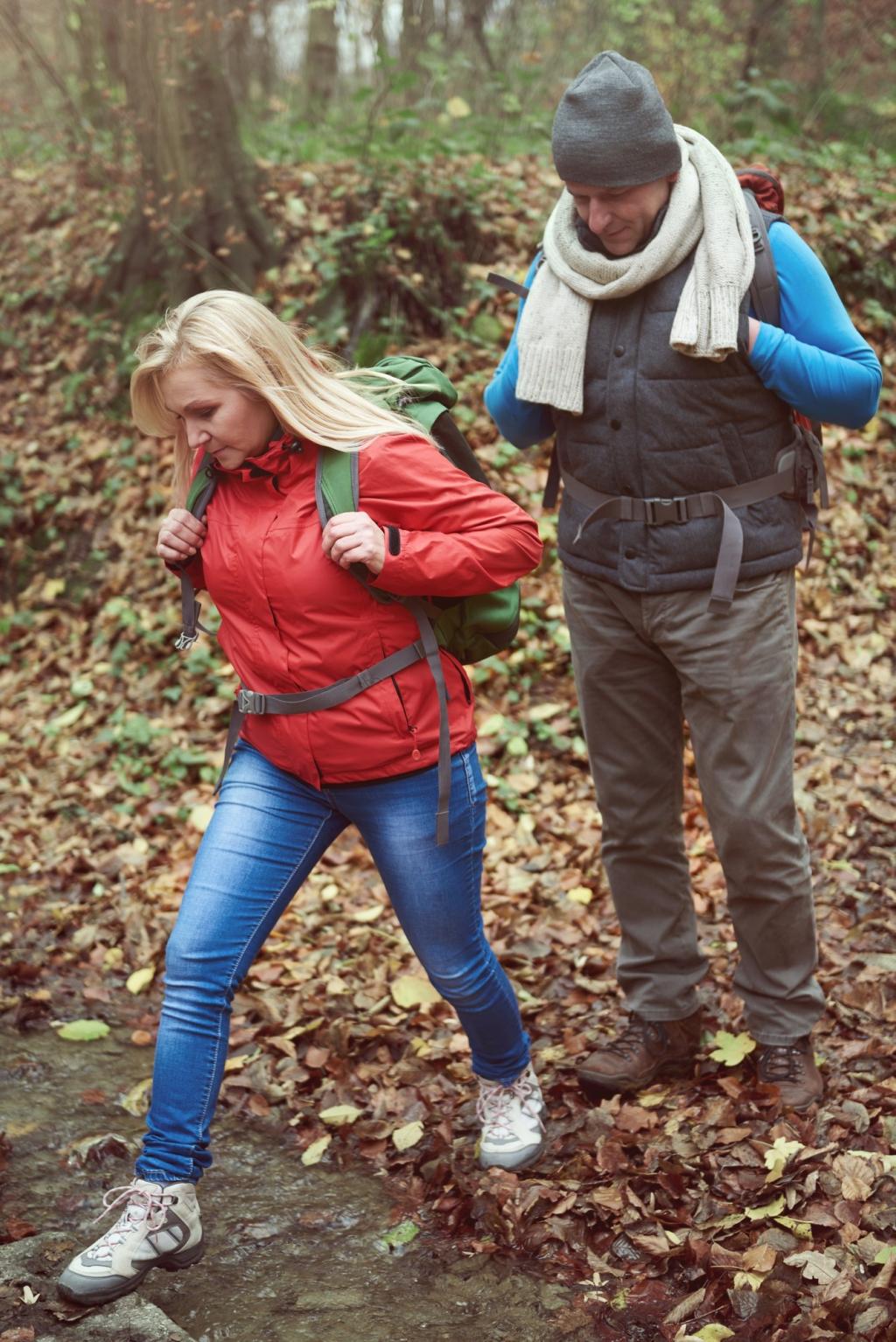
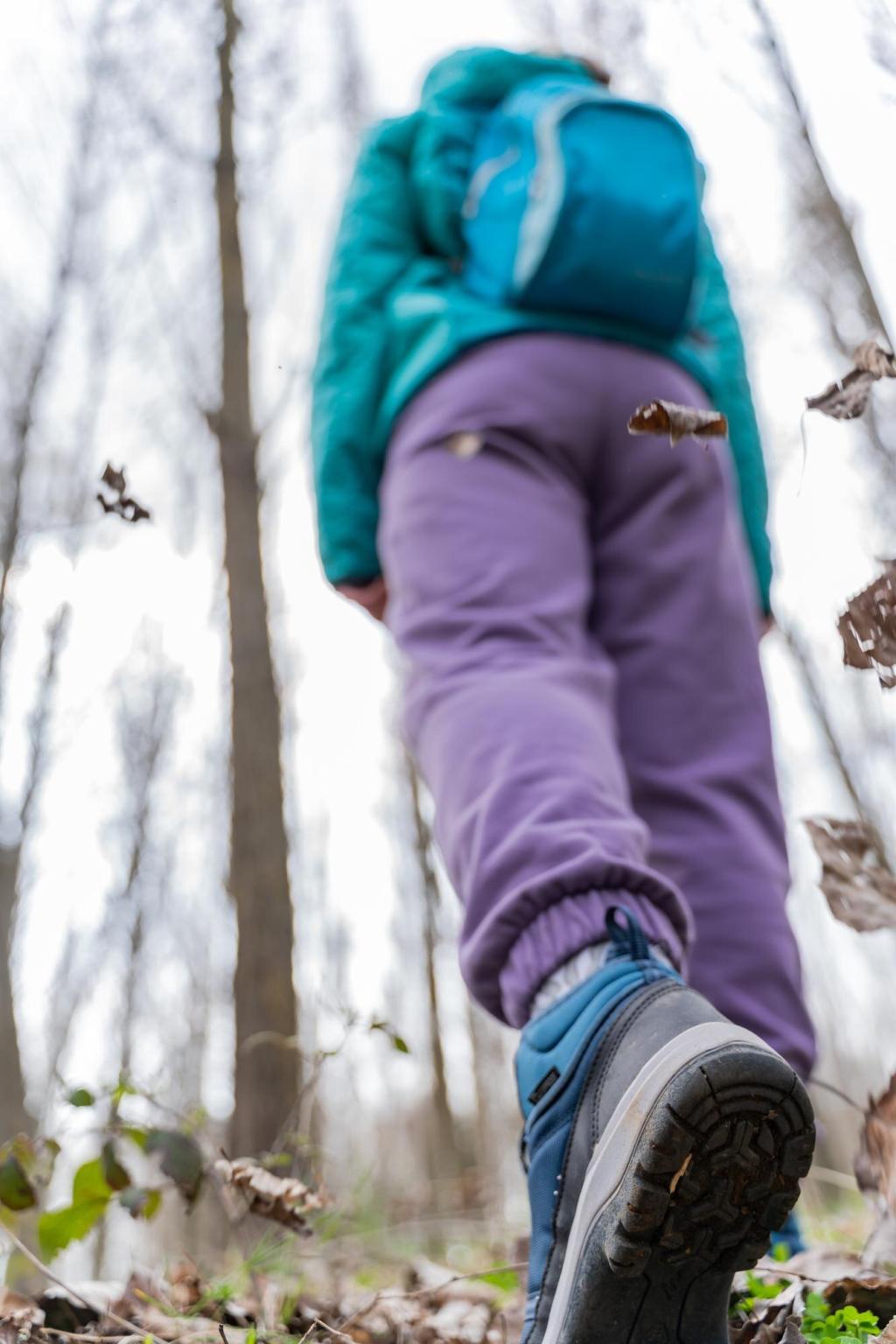
Choose grippy, broken-in hiking shoes and moisture-wicking socks to avoid hot spots. Dress in breathable layers: a base to manage sweat, an insulating mid layer, and a windproof or waterproof shell. Overheating or shivering quickly erodes energy and judgment.
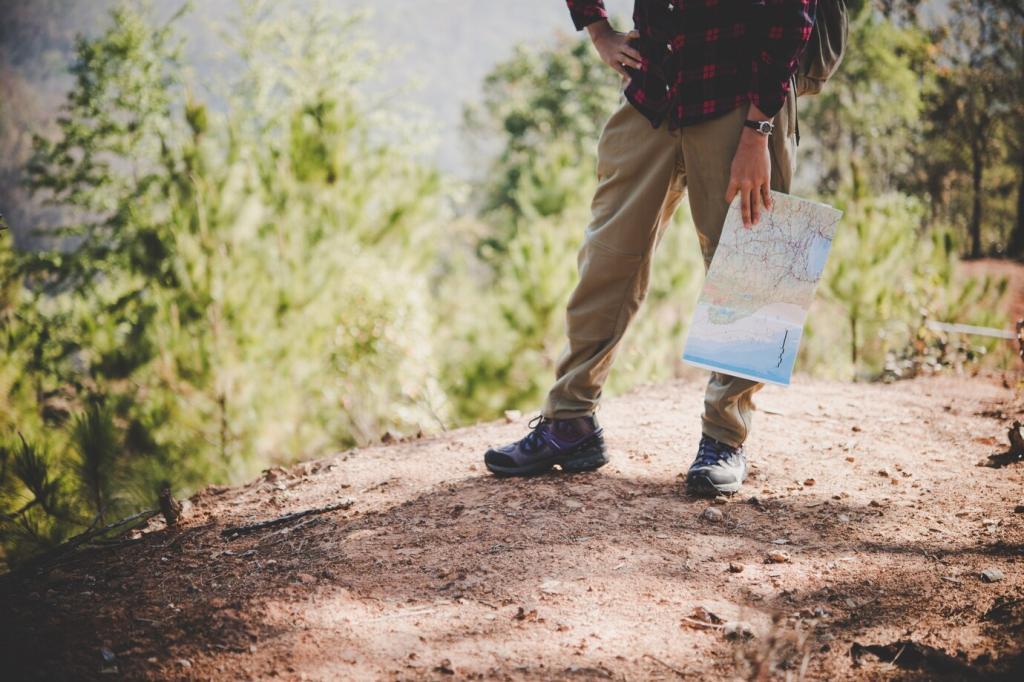
Carry a paper map and a simple compass, even if you use a phone app or GPS. Download offline maps and bring a power bank. Redundancy matters; batteries die, signals vanish, and paper remains readable in valleys, forests, and stormy weather.
Include a small first-aid kit, blister care, a space blanket, whistle, headlamp with fresh batteries, and a bright bandanna. These tiny items weigh little yet transform difficult moments into manageable ones, especially when daylight fades faster than planned.
Carry more water than you think you’ll need, plus a filter, tablets, or a UV purifier. Streams can run dry late in summer, and snowmelt can be silty. Treat every source to avoid illness that ruins not just your day, but the week after.
Observe animals from afar and never feed them. Store food securely and talk calmly on blind corners to avoid startling wildlife. In bear country, carry bear spray where you can reach it, and learn how to use it before stepping onto the trail.
Plants, Insects, and Allergies You Might Overlook
Identify poison oak or ivy, and carry insect repellent. Long sleeves and pants help in tick-prone areas. Beginners often forget sun protection; a hat, sunglasses, and sunscreen save energy and prevent mistakes caused by heat and glare fatigue.
Leave No Trace for Safer, Happier Trails
Stay on durable surfaces, pack out trash, and yield courteously. Erosion shortcuts and widened trails damage habitats and increase injuries. By respecting trail etiquette, beginners build goodwill with rangers and hikers who might become unexpected helpers when needed.
Weather, Terrain, and Changing Conditions
Check forecasts and scan the horizon. If thunder rolls, move below ridge lines and away from isolated trees or metal structures. Spread groups out and avoid open summits. Start early to beat afternoon storms common in many mountain parks each summer.
Weather, Terrain, and Changing Conditions
In heat, slow down, add shade breaks, and watch for dizziness or nausea. In cold, keep layers dry and hands warm. At altitude, pace conservatively and hydrate. If headaches or vomiting appear, descend. Beginners are safest when they respect early warning signs.